
- A synopsis of the amazing events that led from the unexpected trial of my first Close Combat game, to total immersion in the Community and professional development culminating in Cross of Iron.
The Trial
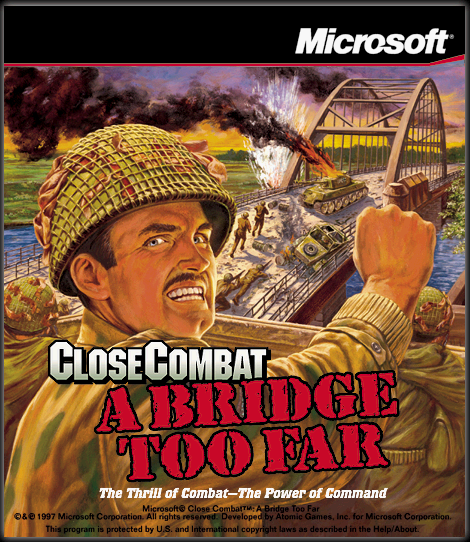
(December 1997 – The Trial)
In December 1997, my son came to me clutching a CD Gamer disc and said: “I
think you might like this game.”
He knew I had been an enthusiastic tabletop wargamer and a
military historian of WWII. The disc contained a trial version of Close
Combat: A Bridge Too Far. I installed it and was immediately engaged.
I liked the way it presented squads and units — not too many
to overwhelm, but enough detail to connect with them individually. The
graphics, though crude by today’s standards, were pleasing and accurate. And of
course, I was given command of them in battle.
My first action as the Germans, with Panther tanks at my
disposal, ended in disaster. I got my backside handed to me on a plate!
Horrified and hooked, I realised this was something new. The adrenaline of real‑time
combat was unlike anything I’d experienced in turn‑based games. Little did I
know how far this journey would take me.
The Obsession
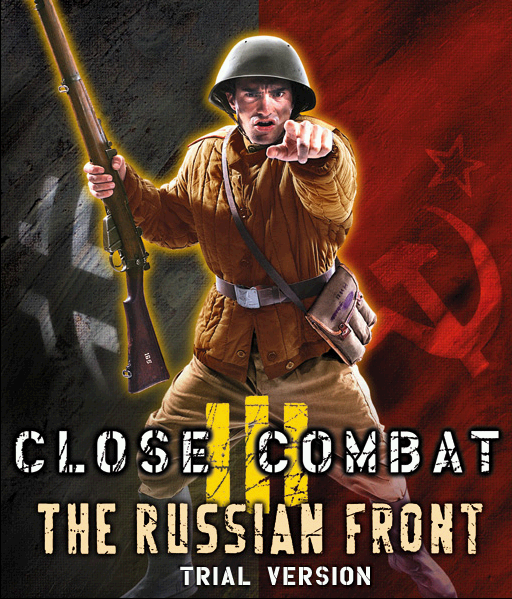
After grabbing the retail version of A Bridge Too Far, I played relentlessly. At the time I was working as an IT Network Administrator in Aberdeen, and I remember taking my laptop on training courses in Edinburgh — playing through the night, surviving on two or three hours of sleep, and somehow still learning NT Server in a TCP/IP environment.
I played every which way: German and Allied, campaigns and battles. But when Close Combat III: The Russian Front arrived, sparks really began to fly. It remains my favourite of all the Close Combat games, with Cross of Iron holding a special place for personal reasons.
The Community
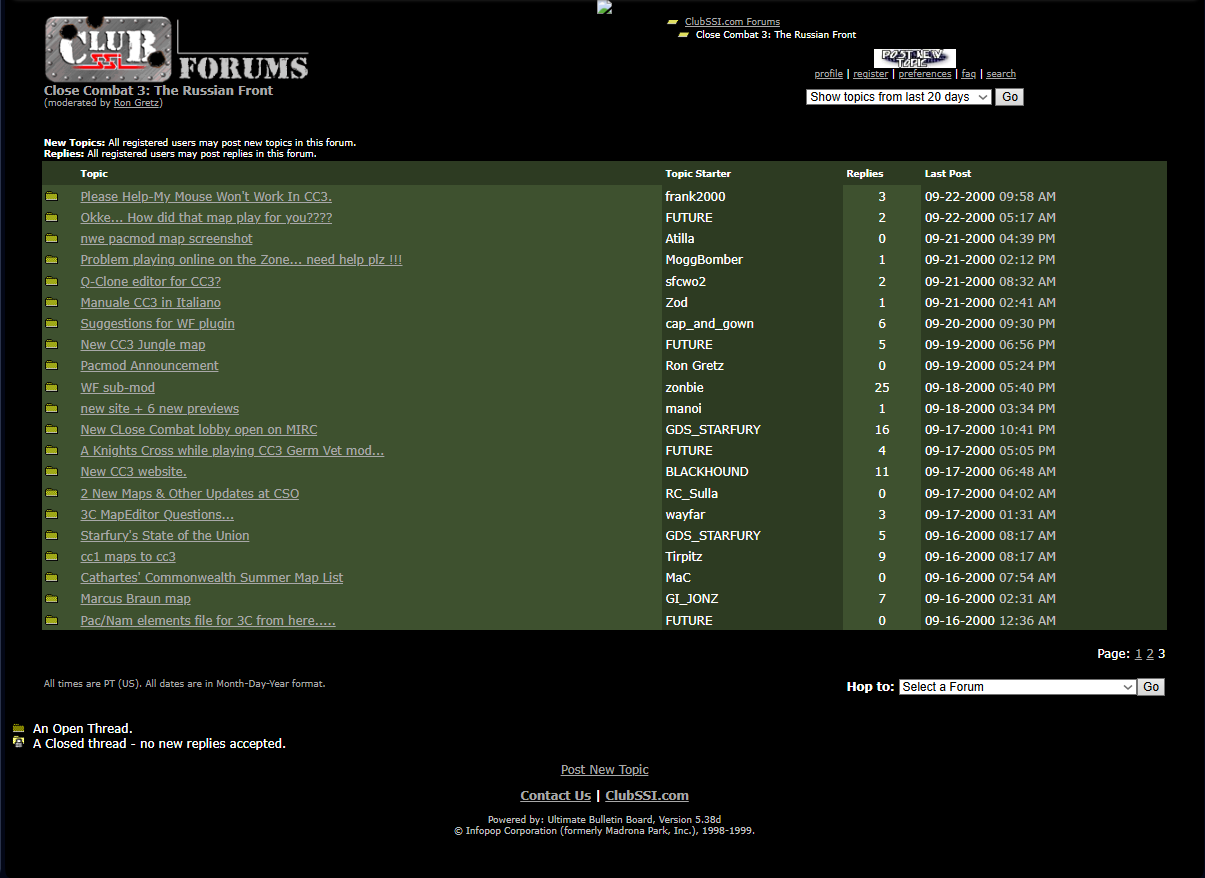
Discovering the ClubSSI forums opened a new world. Map makers, modders, and players buzzed with energy. Online head‑to‑head battles on MSN Game Zone and Case’s Ladder made The Russian Front the most compelling multiplayer experience of all.
It was here that a collaboration began: the formation of a Commonwealth‑based clan. Thus the CSO (Commonwealth Special Operations) was born. I adopted the persona Beeblebrox (a nod to Hitchhiker’s Guide), while my collaborator Sulla secured the domain closecombat.org — a masterstroke. Together we built the clan and its website.
The Brotherhood
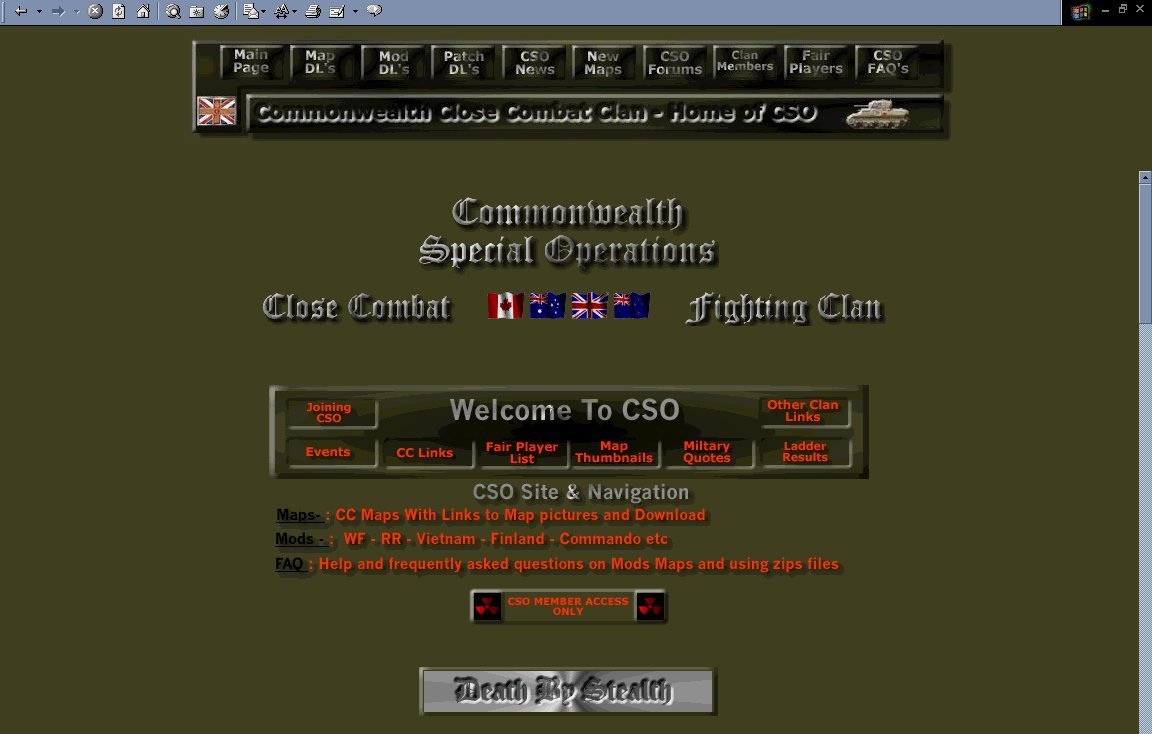
As clan members, we prefixed our personas with CSO_ — eventually numbering over a thousand. I built the download repository, hosting maps and mods in one place.
This was the dial‑up era: 33.6Kbit modems, expensive hosting, and “unlimited” subscriptions that weren’t truly unlimited. Yet we persevered. The CSO site grew into a popular hub with an active forum and large download library.
We tried to be inclusive, linking and publicising other clans and communities. There was a sense of brotherhood in the Close Combat world, with few bad feelings. Action and activity ran 24/7 across the globe.
I’ve kept an archive of many custom maps, mods, and tools from that time, which I’ll gradually make available again. They only work with the legacy versions of Close Combat — still obtainable via the Links page.
The Turning point

A profound change came with the creation of CSO Simtek, a commercial enterprise. This took me to the USA: Quantico, the Pentagon, and the development of Close Combat Marines, Close Combat RAF Regiment, and Cross of Iron.
And all of it began because my son handed me a CD Gamer disc with a trial of A Bridge Too Far. Go figure.